
No veterinarian wants to risk an anesthetic complication or to miss a chronic patient. Yet ECG interpretation often sits in a grey zone: built for cardiologists, but expected in everyday practice.
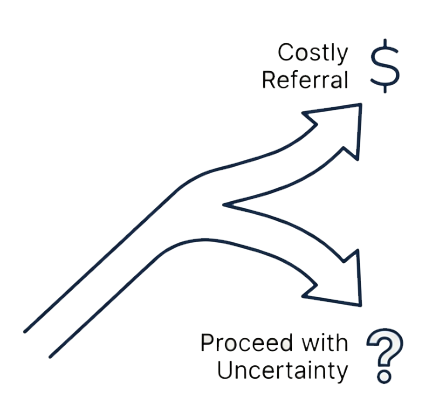
You’ve performed the tracing and examined the dog, but the question remains: is this truly normal, or is there something subtle that warrants a closer look? Acting too late carries risk, but escalating too early without a clear justification is equally uncomfortable.
ECG triage shouldn't feel like a gamble, even for experienced practitioners. It requires a clear, consistent step to separate routine cases from those that need specialist escalation.
▸ Why ECG Triage Matters in General Practice
ECG abnormalities frequently precede the onset of symptoms or changes visible on X-rays. For mild murmurs, an asymptomatic senior dog, or pre-anesthetic evaluations, a general practitioner isn't expected to be a full-time ECG expert.
Instead, the core clinical decision is: Does this ECG warrant a cardiologist review?
▸ Introducing Beecardia AI: Your High-Speed Triage Assistant
Beecardia AI is not a replacement for specialists. It serves as a fast screening tool that flags cases worth escalating and clears routine ECGs for continued care.
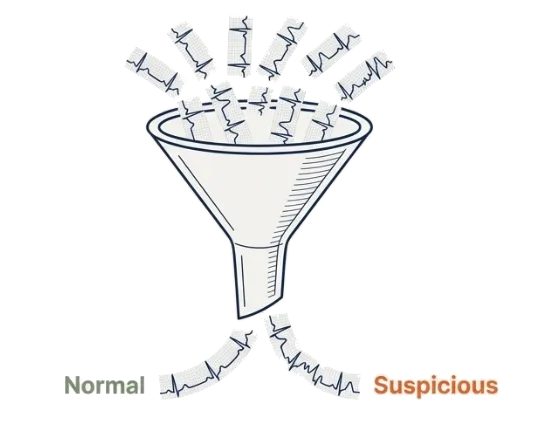
Based on the AI analysis, the results fall into two categories:
- Normal: Supports a decision to proceed with routine care or anesthesia.
- Suspicious: Signals that specific electrical patterns merit a cardiologist's opinion.
Validated in collaboration with board-certified veterinary cardiologists and trained on tens of thousands of canine ECGs, the system achieves more than 90% sensitivity for abnormal ECGs. This means the cases that truly need advanced attention are far less likely to be missed.
▸ A Case Example

A 10-year-old asymptomatic Miniature Schnauzer is scheduled for a dental procedure. Physical exam is unremarkable, and the ECG appears normal at a glance. Beecardia AI flags the ECG as “Suspicious”. The GP refers the case to a cardiologist, who diagnoses Occult Sick Sinus Syndrome, leading to pacemaker placement and avoiding a catastrophic anesthetic event while building profound client trust.
Dogs don’t show symptoms early. Their ECG does.
▸ How It Works
Escalate risk-free if specialist interpretation is needed. The cost of the AI scan is fully credited back to you when you pay for a specialist interpretation.
▸ Why Practices Adopt It

Earlier Diagnosis Without Guesswork
Electrical changes can be detected before clinical signs, enabling earlier diagnosis of heart disease while it is still manageable.

Instant Pre-Anesthetic Decision Support
Reduces surgical surprises and strengthens client confidence.

Retain Patients & Build Trust
The GP remains at the center of care while partnering with cardiologists as needed.
▸ Workflow Integration: AI as Your Clinical Partner
- Dedicated Canine Triage: The system currently provides specialized, high-sensitivity screening for standard canine ECGs of at least 15 seconds, ensuring focused, reliable results for your dog patients.
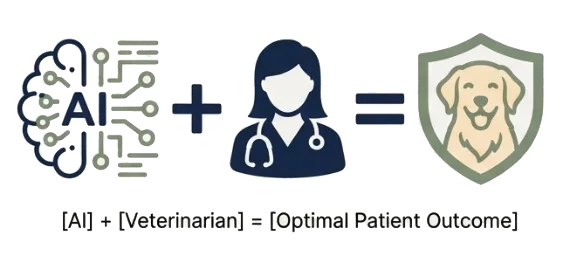
- Combining AI Objectivity with Clinical Expertise: The AI is a powerful extension of the GP's expertise, not a replacement for it. The final diagnosis and treatment plan must integrate the AI result with your comprehensive clinical evaluation, patient history, and symptom assessment.
Start Screening Today: Your Risk-Free Trial
Join our free early access program to evaluate Beecardia AI using real cases from your own practice. We encourage you to experience the benefits firsthand.
Contact us at support@beecardia.com if you have any questions.